
How to Choose the Right Electrical Fire Extinguisher for Your Safety Needs
Understanding Electrical Fire Extinguishers
Every year, electrical fires account for a significant percentage of residential and commercial fire incidents. The proper knowledge and selection of an electrical fire extinguisher can be critical in mitigating risks and protecting lives during such emergencies. In this section, we will explore what electrical fire extinguishers are, the various types available, and why using the correct one is essential.
What is an Electrical Fire Extinguisher?
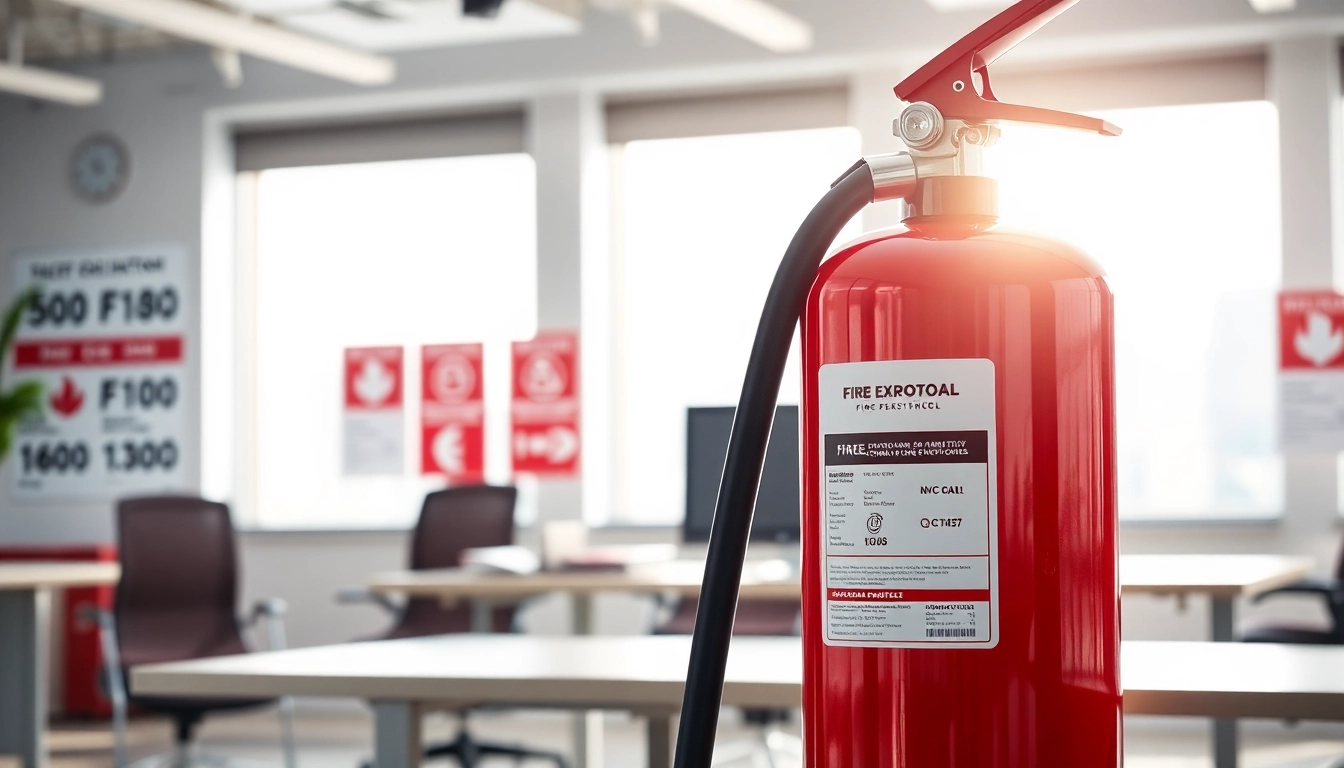
An electrical fire extinguisher is a specialized device designed to combat fires caused by electrical equipment. Unlike ordinary extinguishers that might use water or foam—potentially dangerous when used on live electrical fires—electrical fire extinguishers employ dry chemical agents, CO2, or other specialized substances to extinguish flames effectively while ensuring safety.
Types of Electrical Fire Extinguishers Available
Electrical fires are classified as Class C fires, which are specifically fueled by electrical energy. Therefore, the extinguishers designated for these kinds of fires include:
- CO2 Fire Extinguishers: These utilize carbon dioxide to displace oxygen and suffocate the fire, making them ideal for electrical fires. They leave no residue, which is beneficial for electrical equipment.
- Dry Chemical Fire Extinguishers: Typically, these extinguishers contain substances like monoammonium phosphate or sodium bicarbonate. They interrupt the chemical reaction of the fire and are effective on Class C fires.
- Clean Agent Fire Extinguishers: They use halocarbon agents to extinguish fires without leaving residue. These are suitable for sensitive electronic equipment and machinery.
Importance of Using the Right Extinguisher
The inappropriate use of a fire extinguisher can exacerbate the situation or lead to severe consequences. For instance, applying water to an electrical fire can result in electrocution, while using the wrong type of dry chemical could render the situation more dangerous. It’s vital to equip homes, offices, and commercial spaces with the right type of electrical fire extinguisher for optimal safety.
Identifying Electrical Fire Hazards
Understanding potential electrical fire hazards is crucial for prevention. Recognizing common sources of electrical fires, their warning signs, and knowing how to implement safety measures can save lives and property.
Common Sources of Electrical Fires
Electrical fires can start from a myriad of sources. The most common include:
- Overloaded Circuits: Plugging too many devices into one outlet can cause overheating and spark fires.
- Faulty Wiring: Old or damaged wiring can create short circuits leading to fires. Regular inspection and updates are critical.
- Misuse of Extension Cords: Using extension cords as permanent wiring can lead to overheating and results in a fire hazard.
- Faulty or Defective Appliances: Equipment that is damaged or defective can easily ignite.
Signs of an Impending Electrical Fire
Being aware of warning signs can help in preventing potentially devastating fires. Some indicators include:
- Frequent tripping of circuit breakers or blowing fuses.
- Flickering or dimming lights.
- Warm or hot outlets and switch plates.
- Burning smells or unusual noises coming from outlets or electrical devices.
Workplace Safety Measures
To ensure a safe working environment, implementation of safety measures is essential:
- Conduct regular risk assessments to identify potential hazards.
- Establish a clear protocol and signage indicating the use of electrical fire extinguishers.
- Encourage employees to report any electrical issues immediately.
- Provide training on proper usage of extinguishers and emergency procedures.
Choosing the Appropriate Electrical Fire Extinguisher
Selecting the right electrical fire extinguisher is critical for effective fire response. Understanding key features, how to read labels, and ensuring compliance with regulatory standards will aid in making an informed choice.
Key Features to Consider
When selecting an electrical fire extinguisher, consider the following features:
- Capacity: Assess the size and capacity of the extinguisher; sufficient capacity is needed to combat larger fires.
- Type of Agent: As mentioned earlier, choose extinguishers that use CO2 or dry chemical agents specifically for electrical fires.
- Portability: It’s essential to ensure that the extinguisher is lightweight and easily maneuverable in emergencies.
- Pressure Gauge: A built-in pressure gauge shows whether the extinguisher is charged and ready for use.
How to Read Extinguisher Labels Effectively
Understanding extinguisher labels is vital for proper usage. Typically, labels will include:
- The class of fires the extinguisher can extinguish (e.g., A, B, C).
- Instructions for use—this section will guide how to operate the extinguisher effectively.
- Inspection dates and service records to ensure the extinguisher is maintained.
Regulatory Standards and Compliance
It’s essential to be aware of local fire codes and regulations that apply to the selection and placement of fire extinguishers. The National Fire Protection Association (NFPA) outlines standards for portable fire extinguishers, including labeling, maintenance, and placement requirements. Understanding these regulations ensures compliance and a safer environment.
Maintaining Your Electrical Fire Extinguisher
Proper maintenance of an electrical fire extinguisher is critical to ensure its effectiveness during emergencies. This section outlines the necessary steps to maintain your extinguisher and avoid common pitfalls.
Regular Maintenance Tips
To keep your electrical fire extinguisher in optimal condition, adhere to the following maintenance guidelines:
- Monthly inspections to check the pressure gauge, physical condition, and accessibility of the extinguisher.
- Professional maintenance every 1 to 3 years, depending on the type and manufacturer recommendations.
- Proper storage in a designated area free from obstructions, ensuring easy access.
Common Mistakes to Avoid
There are several common mistakes individuals make regarding fire extinguisher maintenance, including:
- Neglecting to check the pressure gauge regularly.
- Storing the extinguisher in inaccessible or out of sight locations.
- Ignoring expiration dates and replacement guidelines.
When to Replace Your Extinguisher
Knowing when to replace your extinguisher is vital. Common indicators include:
- If the pressure gauge shows a drop in pressure, indicating that the extinguisher may not be usable.
- Damages to the tank or nozzle that can impede performance.
- Exceeding the manufacturer’s recommended service life, typically around 12 years for most extinguishers.
Training and Preparedness
The best way to ensure safety in case of an electrical fire is through adequate training and preparedness. This section details how to utilize electrical fire extinguishers effectively and prepare for emergencies.
How to Use an Electrical Fire Extinguisher
Familiarity with the “PASS” technique is crucial when using an electrical fire extinguisher:
- P: Pull the pin on the extinguisher.
- A: Aim the nozzle at the base of the fire.
- S: Squeeze the handle to release the agent.
- S: Sweep the nozzle side-to-side until the fire is out.
Conducting Fire Safety Drills
Regularly scheduled fire safety drills familiarize employees with emergency protocols. Action steps include:
- Designating a responsible party for each drill to monitor effectiveness and compliance.
- Simulating various scenarios, including electrical fire outbreaks to practice appropriate responses.
- Reviewing and updating the emergency action plan based on drills’ outcomes and new hazards.
Resources for Ongoing Training
Utilize various resources for continuous fire safety and extinguisher training, such as:
- Local fire departments offer free training sessions and materials.
- Online courses and certification programs for fire safety and extinguisher use.
- Organizations such as the NFPA provide resources and guidelines for businesses on fire safety compliance.