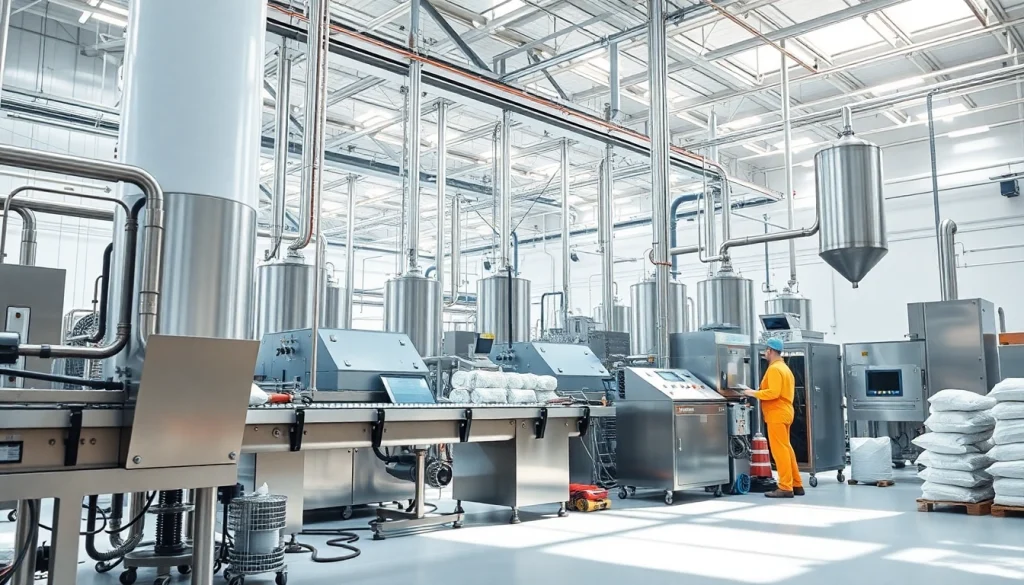
The Role of a Sweetener Factory in Modern Food Production
In the fast-evolving world of food production, the significance of a sweetener factory cannot be overstated. These specialized facilities are integral in meeting the growing demand for diverse sweetening options that cater to consumer preferences while adhering to health trends. As more individuals opt for healthier diets, manufacturers are compelled to innovate and diversify their product lines, making sweetener factories vital in this equation.
Understanding the Sweetener Manufacturing Process
The manufacturing process of sweeteners involves several key stages. Initially, raw materials are sourced; these can include sugar cane, sugar beets, fruits, or even synthetic compounds. Once collected, they undergo extraction or synthesis to isolate the desired sweetening agents.
During extraction, the raw materials are processed to release their sugars. For instance, sugar cane is crushed to extract juice, which is then purified and concentrated. Alternatively, artificial sweeteners are synthesized through complex chemical reactions, a process requiring strict adherence to safety protocols and quality standards.
Post extraction, the sweeteners are refined and blended if necessary. This results in products that range from liquid syrups to granular crystalline forms. Finally, extensive quality control checks ensure that the final product is safe for consumption and meets regulatory guidelines.
Types of Sweeteners: Natural vs. Artificial
Sweeteners can broadly be categorized into natural and artificial types. Natural sweeteners such as honey, maple syrup, and agave nectar derive from plant sources and often retain some nutritional benefits, albeit with varying calorie contents. Artificial sweeteners, on the other hand, are chemically synthesized to provide sweetness without the calories associated with sugar. Examples include aspartame, sucralose, and saccharin.
The choice between natural and artificial sweeteners often depends on consumer preferences. Many are now gravitating towards natural options due to perceived health benefits, though the long-term safety of artificial sweeteners continues to be a topic of research and debate.
Impact on Food Industry Trends
The sweetener segment of the food industry significantly influences prevailing trends. As nutritional awareness grows, consumers are more inclined to seek products with lower sugar content, fostering the rise of low-calorie sweetening options. This shift has encouraged manufacturers to revamp existing formulations and invest in R&D to develop new sweeteners that cater to a health-conscious audience.
Moreover, the increasing prevalence of dietary restrictions, such as gluten and lactose intolerance, has led to a rise in demand for sugar substitutes, which sweetener factories are capitalizing on. The growing popularity of beverages and foods that feature plant-based or organic sweeteners underscores this trend.
Key Technologies Used in a Sweetener Factory
Automation in Sweetener Production
Automation plays a pivotal role in enhancing efficiency within sweetener factories. From the initial stages of ingredient handling to packaging, automation minimizes human error and optimizes production speed. Automated systems can monitor processing conditions, adjusting parameters in real-time to ensure consistency in product quality.
Advanced robotics can perform tasks such as sorting and packaging, allowing factories to scale up operations while maintaining stringent quality control. Furthermore, the integration of machine learning in production lines is paving the way for predictive maintenance, thereby reducing downtime and increasing operational efficiency.
Quality Control Measures
Quality control is imperative in sweetener production. Given that sweeteners often end up in products consumed by millions, ensuring safety and consistency is paramount. Quality control protocols involve rigorous testing at various stages of the manufacturing process, including raw material inspection and final product testing.
Modern sweetener factories utilize advanced laboratory techniques such as High-Performance Liquid Chromatography (HPLC) to analyze product composition, ensuring compliance with regulatory standards. Additionally, implementing Hazard Analysis and Critical Control Points (HACCP) helps identify and mitigate potential hazards, bolstering product safety further.
Sustainability Practices in Manufacturing
As sustainability becomes a critical concern, sweetener factories are adopting practices aimed at reducing their environmental impact. This includes sourcing raw materials ethically and exploring renewable energy options to power production facilities. Many manufacturers are transitioning to waste minimization practices, aiming to recycle by-products to contribute to a circular economy.
Investing in biodegradable packaging is also on the rise, as consumers become more environmentally conscious. These initiatives not only help in reducing carbon footprints but also align with the values of today’s consumers, allowing sweetener factories to enhance their market appeal.
Choosing the Right Sweetener Factory for Your Business
Factors to Consider When Selecting a Supplier
When selecting a sweetener factory, businesses must consider several crucial factors. First, understanding the production capabilities of the factory is vital. This includes evaluating the range of sweeteners offered—be it natural, artificial, or specialty options.
Next, potential clients should assess the factory’s adherence to quality and safety regulations. Certifications such as ISO and GMP (Good Manufacturing Practices) are indicators of a factory’s commitment to excellence. Moreover, evaluating the factory’s reputation in the market based on reviews and testimonials can provide insights into their reliability.
Evaluating Product Offerings
A diverse product range can significantly benefit businesses looking to cater to varying consumer demands. When evaluating product offerings, consider not only the types of sweeteners available but also their applications in different food products. Some factories may offer custom formulations tailored to specific functionalities or dietary needs.
Additionally, understanding the technological capabilities of a sweetener factory, such as the ability to produce organic or non-GMO products, is increasingly important for aligning with consumer demands.
Understanding Distribution Capabilities
Efficient distribution channels are essential to ensure that products reach the market punctually. When selecting a sweetener factory, it is crucial to understand their distribution network and logistics capabilities. This includes evaluating turnaround times and the efficiency of their shipping methods.
Furthermore, assess whether the factory has the ability to scale production according to your business needs. A flexible supplier that can ramp up operations in response to increased demand helps maintain smooth operations and avoid stockouts.
Common Challenges Faced by Sweetener Factories
Supply Chain Disruptions
Sweetener factories often face challenges related to supply chain disruptions. Fluctuations in raw material availability due to environmental factors or geopolitical tensions can hinder production schedules. To mitigate these risks, factories are adopting strategies like diversifying supplier networks and maintaining buffer stock of key ingredients.
Implementing advanced data analytics can also provide insights into supply chain health, enabling factories to anticipate potential issues and respond proactively.
Regulatory Compliance Issues
The sweetener industry is heavily regulated, with strict compliance requirements that factories must uphold. Changes in legislation or amendments to existing food safety regulations can pose challenges to factories striving to maintain compliance. Regular training for staff regarding food safety practices and investing in compliance management systems are effective strategies for navigating these complexities.
Additionally, staying informed about industry trends and regulatory changes allows factories to adapt promptly, ensuring that they remain compliant and avoid penalties.
Market Competition and Pricing Strategies
As competition intensifies in the sweetener market, factories must continually adapt their pricing strategies. The challenge lies in balancing competitive pricing with cost-effective production methods. Conducting thorough market analysis helps factories to understand pricing trends and customer expectations.
Innovations in production processes can yield cost savings that can be passed onto customers. For example, implementing energy-efficient practices reduces operational costs, potentially allowing for competitive pricing while maintaining profit margins.
Future Trends in the Sweetener Industry
Emerging Sweetener Technologies
The sweetener industry is on the brink of significant technological advancements. Innovations in fermentation technologies are set to revolutionize the production of natural sweeteners, providing more efficient and environmentally friendly manufacturing options. Additionally, the continuous exploration of novel sweetening compounds has the potential to offer healthier alternatives without compromising taste.
Investments in biotechnology and genetic engineering could lead to entirely new types of sweeteners derived from plants, enhancing flavor profiles while upholding nutritional integrity.
Consumer Preferences Shaping Production
Modern consumers are becoming increasingly intricate in their sweetener preferences. Factors such as health consciousness, ethical sourcing, and environmental sustainability influence purchasing decisions. Sweetener factories must be agile to adapt to these shifting preferences by providing transparency regarding sourcing and production practices.
Additionally, as the demand for functional foods surges, sweeteners that offer health benefits—such as added vitamins or minerals—are gaining traction. Factories must innovate to incorporate these features into their product offerings to meet consumer expectations.
Global Market Predictions
The global sweetener market is projected to experience substantial growth. As developing economies expand and consumer awareness increases, the demand for sweeteners is likely to rise. However, factories must remain vigilant to potential market fluctuations due to economic factors or health trends, such as the growing emphasis on sugar reduction.
Expanding into emerging markets with tailored products for local preferences will be essential for leveraging growth opportunities. The ability to adapt to market dynamics while maintaining product quality will ultimately determine the success of sweetener factories in the future.
FAQs about Sweetener Factories
1. What types of sweeteners are produced in a sweetener factory?
Sweetener factories produce various types of sweeteners, including natural sweeteners like honey and maple syrup, as well as artificial sweeteners like aspartame and sucralose.
2. How do sweetener factories ensure product quality?
Quality control in sweetener factories involves rigorous testing at various production stages, employing techniques like HPLC to analyze composition and ensure compliance with safety standards.
3. What sustainability practices do sweetener factories implement?
Many sweetener factories are adopting sustainability practices such as using renewable energy, minimizing waste through recycling, and sourcing raw materials ethically to reduce environmental impact.
4. What challenges do sweetener factories face?
Common challenges include supply chain disruptions, regulatory compliance issues, and intense market competition, each requiring strategic planning and adaptation from factories.
5. How are consumer preferences influencing sweetener production?
Consumer preferences are driving sweetener production towards healthier, sustainable, and ethically sourced options, pushing factories to innovate and diversify their offerings.