Understanding Custom Steel Fabrication
What is Custom Steel Fabrication?
Custom steel fabrication refers to the process of designing, engineering, and manufacturing steel products tailored specifically to meet unique specifications and requirements. Unlike standard steel products, custom fabrication offers the flexibility to create components that fit particular dimensions, designs, and intended functionalities. This process encompasses various stages including cutting, shaping, welding, and finishing of steel, which can be executed using advanced technology and skilled craftsmanship. In many applications, manufacturers seek out custom steel fabrication to ensure that their products or structures are not only robust but also tailored to their operational environment.
The Importance of Custom Solutions
In today’s competitive landscape, businesses across various industries recognize the importance of custom solutions in steel fabrication. Customization allows for enhancements in efficiency, durability, and performance that stock solutions can't offer. For instance, in the construction industry, using precisely fabricated steel structures can reduce material waste and construction time, ensuring projects stay within budget. Moreover, tailored components can lead to improved safety, as they are designed according to exact specifications and environmental conditions. This results in fewer accidents and compliance with industry standards. The shift toward bespoke solutions signifies a move towards innovation where businesses can differentiate themselves from competitors.
Common Applications in Various Industries
Custom steel fabrication finds its applications in a multitude of industries. Here are some notable sectors:
- Construction: Fabricated steel beams, columns, and trusses form the backbone of many commercial and residential structures.
- Aerospace: Precision-engineered components are critical for the safety and performance of aircraft.
- Automotive: Custom parts are necessary for the manufacture of vehicles that meet specific safety and efficiency standards.
- Energy: Fabricated components for heavy machinery used in renewable energy sectors, including wind and solar, are increasingly required.
- Manufacturing: Equipment and machinery parts tailored to specific operational needs enhance productivity and uptime.
Key Techniques in Custom Steel Fabrication
Welding Methods Explained
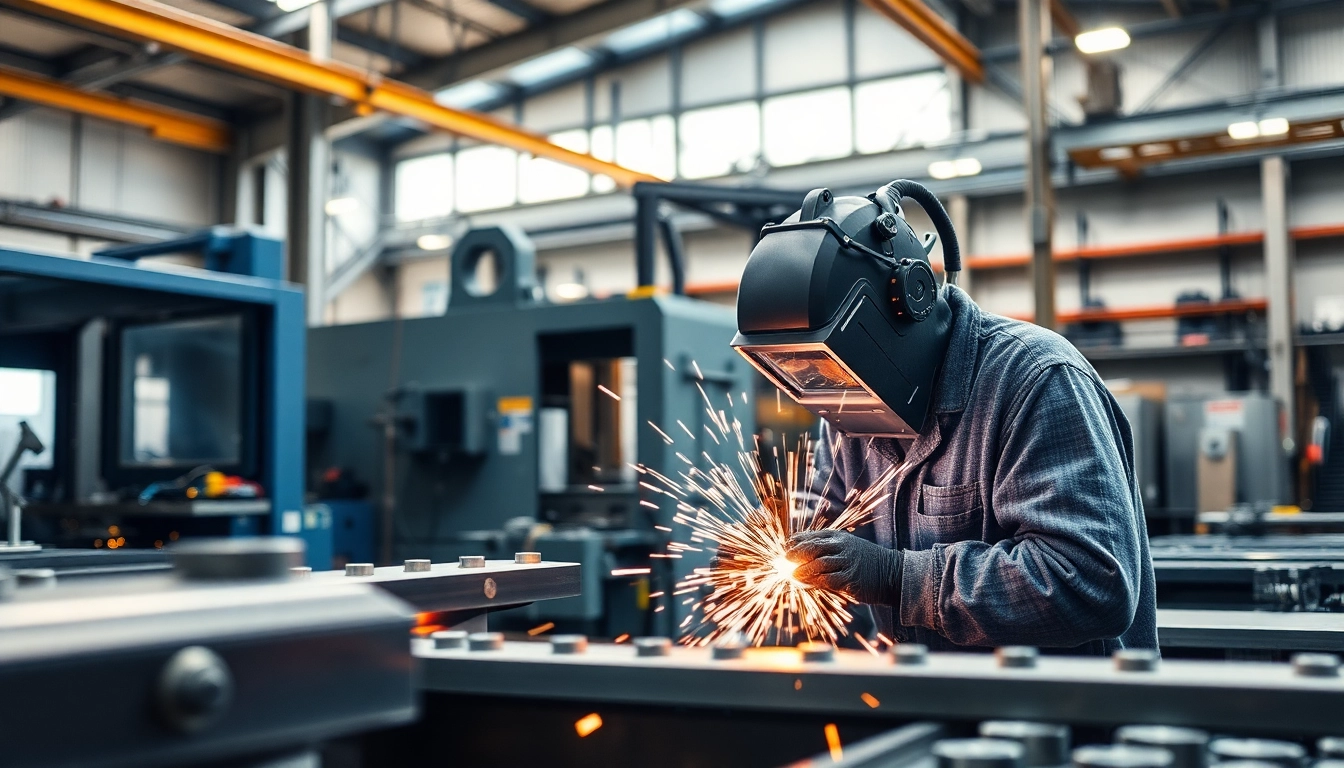
Welding is one of the most critical techniques in custom steel fabrication, as it forms and joins steel components securely. Various welding methods exist, and their applicability depends on material types, thicknesses, and the intended use of the final product. Common welding techniques include:
- MIG Welding (Metal Inert Gas): Ideal for thinner metals, offering speed and versatility.
- TIG Welding (Tungsten Inert Gas): Provides precise control and high-quality welds, particularly on thicker materials.
- Stick Welding: Utilized for various applications and in different environments, known for its robustness.
- Submerged Arc Welding: Employed for large-scale production due to its efficiency and quality.
Understanding these methods allows manufacturers to choose the best technique for specific project requirements, ensuring strong and reliable joints.
Cutting and Shaping Technologies
The processes of cutting and shaping steel are foundational to custom fabrication. Various technologies enable accurate and efficient metal processing:
- Plasma Cutting: Uses high-velocity ionized gas to cut through metal, ideal for intricate designs.
- Laser Cutting: Provides precision cuts and can handle complex shapes with minimal kerf loss.
- Water Jet Cutting: Utilizes high-pressure water to cut materials, maintaining their structural integrity.
- Shearing and Punching: Traditional methods used for cutting and shaping large sheets of metal into desired sizes and forms.
These technologies enhance the efficiency of the fabrication process and play a critical role in meeting stringent project specifications.
Finishing Techniques for Steel Components
Finishing techniques are essential to refine the appearance and functionality of fabricated steel components. Common methods include:
- Coating: Applying protective layers to enhance corrosion resistance and improve longevity.
- Polishing: Used to create a smooth and shiny surface, often for aesthetic purposes or to reduce friction.
- Galvanizing: Coating steel with zinc to prevent rust and degradation, particularly effective in outdoor applications.
- Powder Coating: A dry finishing process that provides a wide range of colors and textures while ensuring durability.
These finishing processes not only serve functional purposes but also impact the visual appeal and marketability of the products.
Choosing the Right Materials for Custom Fabrication
Types of Steel Used in Fabrication
Choosing the right type of steel plays a crucial role in the success of custom fabrication projects. Various types of steel are suitable for different applications, including:
- Carbon Steel: Known for its strength, carbon steel is commonly used in structural applications.
- Stainless Steel: Offers excellent corrosion resistance, making it ideal for food processing or chemical handling.
- Alloy Steel: Composed of carbon steel with other elements to enhance specific properties like toughness or wear resistance.
- Tool Steel: Designed for high-performance applications such as dies and cutting tools.
Each type of steel has its inherent properties and applications, and understanding these differences helps manufacturers make informed decisions.
Understanding Steel Grades and Their Applications
Steel grades, classified by specific standards such as ASTM or ISO, provide critical information about the composition and characteristics of the metal. These grades determine the strength, ductility, and corrosion resistance, influencing their suitability for various applications. For example, Grade 304 stainless steel is commonly used in food industry equipment due to its excellent corrosion resistance, while Grade A36 carbon steel is often used in structural applications due to its excellent weldability and strength. Familiarity with these grades is crucial for engineers and designers to ensure they select materials aligned with their project requirements.
How Material Choice Affects Project Outcomes
The choice of steel material directly impacts the project outcomes, including performance, safety, and cost-effectiveness. Misselecting a material can lead to product failures, increased maintenance costs, and safety hazards. For instance, using a non-corrosion-resistant steel in a marine environment can result in rapid deterioration, resulting in higher replacement costs and safety risks. Therefore, it's vital for project leaders to understand the environmental requirements of their applications to guarantee successful results. Conducting a thorough analysis during the material selection process can save costs and improve overall project performance significantly.
Best Practices for Custom Steel Fabrication Projects
Planning and Design Considerations
Effective planning and design are paramount for successful custom steel fabrication projects. Key considerations include:
- Clear Specifications: Defining clear and comprehensive project specifications aids in aligning all stakeholders on the project's objectives.
- Collaboration: Working closely with fabricators during the design phase facilitates the identification of challenges and opportunities for optimization.
- Prototyping: Creating prototypes or mock-ups can uncover potential design flaws or inefficiencies before full-scale production begins.
Adopting these best practices results in reduced errors and ensures that the final products align with the client's expectations.
Managing Production Efficiency
In the fast-paced world of fabrication, managing production efficiency is crucial. Techniques to enhance efficiency include:
- Lean Manufacturing: Emphasizing waste reduction throughout the fabrication process minimizes costs and improves lead times.
- Advanced Scheduling: Implementing sophisticated scheduling tools can optimize resource allocation and streamline workflow.
- Investing in Technology: Upgrading machinery and software can enhance productivity and reduce material wastage.
These strategies position the manufacturer favorably within a competitive environment while maintaining high standards of quality and delivery times.
Quality Control and Assurance Processes
A robust quality control process is essential in custom steel fabrication to ensure that the final products meet specified standards and client expectations. Key practices include:
- Regular Inspections: Conducting frequent inspections during production helps identify and rectify issues early.
- Testing: Implementing different testing methods, such as tensile testing or non-destructive testing (NDT), assesses component integrity.
- Documentation: Maintaining detailed records enhances traceability and supports transparency in manufacturing practices.
Establishing comprehensive quality control measures not only assures compliance with industry standards but also builds customer trust.
Future Trends in Custom Steel Fabrication
Industry Innovations and Technological Advances
As technology evolves, the custom steel fabrication industry is experiencing numerous innovations. Some emerging trends include:
- Automation: Automated machinery and robotic welding are streamlining production processes, reducing manual errors while enhancing speed.
- 3D Printing: Additive manufacturing is opening new possibilities for creating complex geometric shapes with reduced waste.
- Smart Manufacturing: The integration of IoT technologies is enhancing real-time monitoring and analysis of production workflows.
These innovations promise to increase efficiency, enhance quality, and reduce costs, shaping the future of fabrication.
Environmental Considerations in Fabrication
As sustainability becomes increasingly important, the steel fabrication industry is taking significant steps to reduce its environmental impact. Strategies include:
- Recyclability: Steel is one of the most recycled materials globally, and manufacturers are emphasizing recycled raw materials in their processes.
- Energy Efficiency: Employing energy-efficient systems and practices reduces carbon footprints and operational costs.
- Reducing Waste: Lean manufacturing principles aim to minimize scrap and byproducts during production.
These practices not only align with global sustainability goals but also appeal to environmentally-conscious consumers.
Anticipating Market Demands and Client Needs
To remain competitive, custom steel fabricators must stay ahead of market demands and evolving client needs. This entails:
- Market Analysis: Regularly assessing market trends enables manufacturers to anticipate changes in demand and adjust strategies accordingly.
- Client Interaction: Cultivating strong relationships with clients helps understand their specific needs and preferences, leading to better service and custom solutions.
- Innovation: Continuously investing in R&D fosters innovation, allowing manufacturers to offer cutting-edge solutions that meet contemporary challenges.
By anticipating future trends and adapting strategies, custom steel fabricators can thrive in an evolving landscape and ensure long-term success.