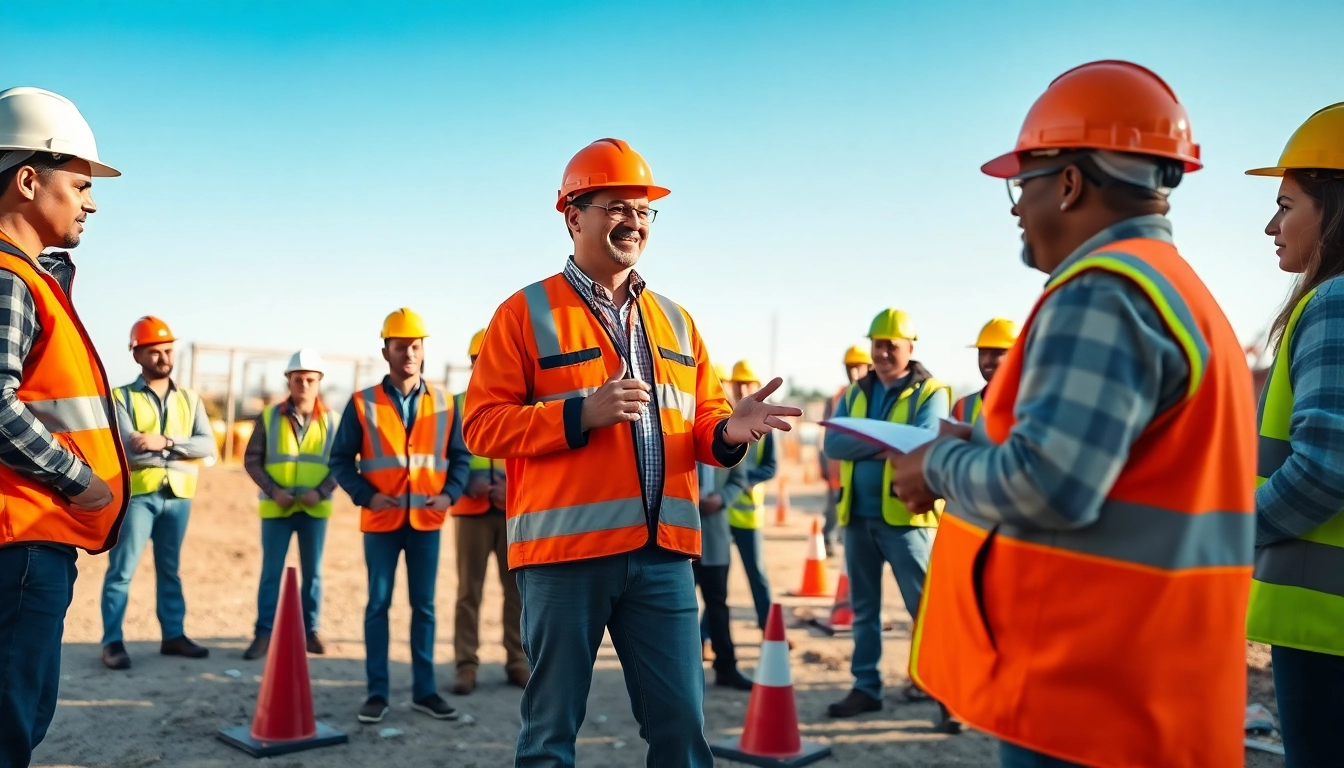
Understanding the Importance of Construction Site Safety Training
Construction sites are among the most hazardous environments in the workforce, making construction site safety training vital. Employers and workers alike must prioritize safety to mitigate risks, adhere to regulations, and create a culture that values health and well-being on work sites. This article will delve into the intricacies of construction safety training, essential practices, and the importance of ongoing education in maintaining a safe work environment.
Defining Construction Site Safety Training
Construction site safety training refers to programs designed to equip workers with the necessary knowledge and skills to operate safely in potentially dangerous work environments. These training sessions cover various topics, including hazard recognition, the correct use of personal protective equipment (PPE), emergency response protocols, and applicable regulatory standards. The goal is to foster awareness and preparedness among workers, ultimately reducing the risk of workplace accidents and injuries.
Why Safety Training Is Crucial for Workers
The significance of safety training for workers cannot be overstated. It serves several purposes that collectively contribute to a safer construction site:
- Reduction of Injuries and Fatalities: Regular training helps workers identify potential hazards and respond appropriately, significantly decreasing the likelihood of accidents.
- Compliance with Regulations: Many regulatory bodies mandate safety training, and failure to comply can result in legal repercussions and fines.
- Fostering a Safety Culture: Training fosters a culture of safety that extends beyond compliance, encouraging workers to prioritize safety in all aspects of their jobs.
Key Regulatory Standards in Construction Safety
Understanding regulatory standards is an essential aspect of construction site safety training. Various organizations, such as the Occupational Safety and Health Administration (OSHA), set forth guidelines and regulations that govern construction site safety. Key regulations include:
- OSHA Standards: OSHA has established standards for various construction activities, detailing responsibilities for protecting workers.
- General Duty Clause: Employers are obligated to provide a workplace free from recognized hazards, even if specific regulations don’t exist.
- Standards for PPE: Regulations dictate the requirement for personal protective equipment, ensuring that all workers utilize the necessary gear tailored to the risks present.
Common Hazards on Construction Sites
Identifying Common Construction Site Hazards
Construction sites present various hazards that can jeopardize worker safety. A thorough understanding of these hazards is crucial in developing effective training programs. Common hazards include:
- Falls: One of the leading causes of injuries, falls arise from working at heights or uneven surfaces.
- Electrocution: Exposure to live wires or electrical equipment can pose serious hazards if proper safety measures are not in place.
- Being Struck by Objects: Workers face risks from objects falling, being swung, or ejected from machinery.
- Caught-In/Between Hazards: Workers can become injured when caught between equipment, materials, or collapsing structures.
Impact of Hazards on Worker Safety
The impact of workplace hazards on worker safety is significant. Accidents can result in severe injuries, fatalities, and long-term health issues. Furthermore, occupational hazards have financial implications for both workers and employers. Medical expenses, workers' compensation claims, and potential lawsuits can cost businesses substantial amounts, contributing to rising insurance premiums and loss of reputation.
Statistics Highlighting Construction Site Risks
Statistics underscore the gravity of safety risks on construction sites. According to various studies, construction remains one of the most dangerous industries in the world. Key statistics include:
- Approximately 20% of worker fatalities occur in construction, despite the industry only employing about 6% of the workforce.
- Falls from heights account for about 30% of all construction accidents.
- OSHA reports that one in ten construction workers will be injured in a workplace accident each year.
Best Practices for Effective Safety Training
Interactive Training Approaches
To ensure that safety training is effective, it must engage participants actively. Interactive training approaches can include:
- Hands-on Demonstrations: Practicing safety procedures under supervised conditions reinforces learning.
- Group Discussions: Allowing workers to share experiences fosters a collaborative learning environment.
- Scenario-Based Training: Real-world scenarios help workers apply knowledge to situations that they might face on the job.
Utilizing Technology in Safety Training
Integrating technology into safety training can enhance its effectiveness significantly. Tools such as virtual reality (VR) and augmented reality (AR) can simulate hazardous scenarios, allowing workers to practice safety procedures in a safe environment. Furthermore, online training platforms enable easy access to training materials, record-keeping, and progress tracking. Employing these technologies can make safety training more accessible and engaging.
Creating Engaging Training Materials
To capture participants' attention and facilitate learning, it's essential to create visually appealing and informative training materials. Some best practices include:
- Use of Visuals: Incorporate images or infographics that illustrate concepts visually, making complex information easier to understand.
- Clear and Concise Content: Avoid jargon and ensure that training materials are easily digestible.
- Real-life Case Studies: Using case studies of past accidents can illustrate the importance of implementing safety protocols effectively.
Implementing a Safety Training Program
Steps to Develop a Safety Training Program
Implementing an effective safety training program involves several key steps:
- Assess Hazards: Conduct a thorough assessment of the site to identify potential hazards and risks faced by workers.
- Establish Training Objectives: Determine what knowledge and skills workers must gain through the training.
- Develop Training Materials: Create training resources that are tailored to the specific needs of the workforce.
- Schedule Training Sessions: Plan training sessions that accommodate workers’ schedules without disrupting site operations.
- Track Attendance and Progress: Implement a system to track who has completed the training and measure their understanding through assessments.
Evaluating Training Effectiveness
Evaluating the effectiveness of safety training is critical to maintaining a culture of safety. Methods for evaluation may include:
- Feedback Surveys: Collecting feedback from participants can provide insights into areas of improvement.
- Observational Assessments: Monitoring workers in the field can assess their application of safety protocols.
- Incident Reporting: Analyzing incident reports can help determine whether training has effectively reduced risks on the job.
Review and Update Training Protocols
Safety training should not be static. Regular reviews and updates are necessary to ensure training remains relevant and effective. Factors to consider include:
- New Regulations: Keeping abreast of changes in safety regulations ensures compliance.
- Emerging Technologies: As new equipment and technologies are introduced, training should be updated to encompass their safe use.
- Worker Feedback: Continually incorporating worker feedback can improve training quality and applicability, making it more effective.
FAQs About Construction Site Safety Training
What is construction site safety training?
Construction site safety training educates workers on safety practices to prevent accidents and injuries. It encompasses various topics, including hazard recognition, PPE use, and emergency procedures.
Why is safety training important?
Safety training reduces accidents, ensures compliance with regulations, and fosters a culture where everyone prioritizes workplace safety.
What topics should safety training cover?
Key topics include hazard recognition, emergency procedures, proper use of safety equipment, and compliance with safety regulations.
How often should safety training occur?
Training should occur regularly, ideally annually, and whenever new risks or equipment are introduced on-site.
What are the benefits of effective safety training?
Benefits include improved worker safety, reduced insurance costs, and enhanced productivity. Effective training ensures a safer work environment for all.