
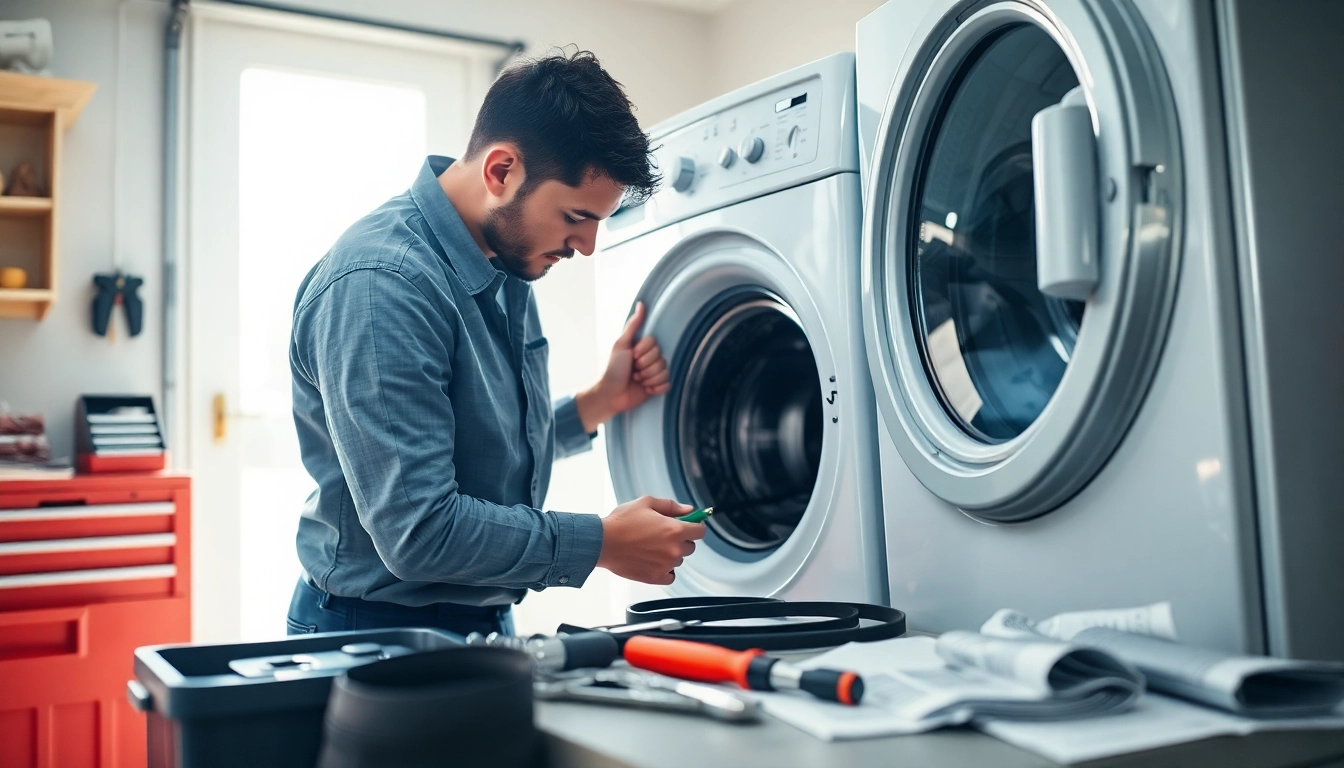
Effective Ways to Fix Dryer Issues and Ensure Proper Function
Understanding Common Dryer Issues
When it comes to household appliances, few things are as bothersome as a malfunctioning dryer. Clothes piling up and energy bills skyrocketing are just the tip of the iceberg. For those looking to fix dryer issues, understanding the most common problems is essential.
Typical Problems Found in Dryers
Dryers can exhibit various issues, but some problems tend to occur more frequently than others:
- Dryer Doesn’t Start: This can be due to electrical issues, door latch problems, or faulty timers.
- Dryer Not Heating: If clothes are damp after a cycle, the heating element might be malfunctioning.
- Drum Doesn’t Spin: A broken belt or faulty motor can prevent the drum from rotating.
- Excessive Noise: Unusual sounds may suggest worn out parts like bearings or drum rollers.
- Clothes Taking Too Long to Dry: Blocked vents or lint buildup can severely affect drying efficiency.
How to Identify Symptoms of a Faulty Dryer
To effectively address dryer issues, it’s crucial to recognize early symptoms. Pay attention to:
- Unusual noises such as banging or grinding.
- Inconsistent drying times or clothes remaining wet.
- Burning smells, indicating overheating.
- Frequent cycle interruptions or resets.
Safety Precautions Before Starting Repairs
Before you start troubleshooting or repairing your dryer, it’s vital to prioritize safety:
- Unplug the dryer to avoid electrical shocks.
- Use safety goggles and gloves to protect against sharp edges and debris.
- Ensure adequate ventilation when inspecting electrical components.
- Consult the user manual or professional resources for specific safety protocols related to your model.
Essential Tools for Your Dryer Repair
Having the right tools can make all the difference when it comes to repairing your dryer efficiently. Here are some essential tools you’ll need:
Basic Tools for Quick Fixes
Investing in basic tools will allow you to tackle most common dryer issues:
- Multimeter: For testing electrical components.
- Screwdrivers: Both Phillips and flathead are essential for disassembling cabinetry.
- Pliers: For gripping and manipulating small parts.
- Socket Set: Useful for reaching screws hidden deep within the appliance.
Advanced Tools for Comprehensive Repairs
If you plan to take on more complex repairs, consider adding these advanced tools to your arsenal:
- Drill: A power drill can speed up the process of removing screws.
- The Dryer Belt Tool: Specifically designed for installing or removing dryer belts.
- Vacuum: Ensures you keep your workspace clean and can help with lint removal.
Where to Source Reliable Tools
Tools can be found at various retailers, from hardware stores to online marketplaces. Make sure to read reviews before purchasing to ensure you’re getting reliable equipment at a reasonable price.
Step-by-Step Guide to Fix Dryer Not Starting
If your dryer won’t start, follow these steps to diagnose the problem:
Troubleshooting Steps for Initial Diagnosis
- Ensure the dryer is plugged in and receives power.
- Check the circuit breaker to see if it has tripped.
- Inspect the door latch to make sure it is securely closed.
- Test the dryer’s control settings to confirm they are correct.
Tips to Fix Common Electrical Issues
If electrical issues persist, consider the following actions:
- Replace blown fuses or reset tripped breakers.
- Check the power cord for any damages or burns.
- Inspect all wiring connections for corrosion or looseness.
Checking the Dryer Belt and Motor Function
If the dryer is receiving power but not starting, the belt or motor may be at fault:
- Open the dryer’s front panel to access the belt. If it is broken or slipped off, replace it.
- Check the motor for any signs of wear. A multimeter can be used to verify if it’s functioning correctly.
Addressing Specific Issues: Dryer Not Heating
When your dryer runs but doesn’t heat, it can be frustrating. Here’s how to address this issue:
Identifying Heating Element Problems
If your dryer is not producing heat, the heating element is often the culprit. To test it:
- Unplug the dryer and access the heating element.
- Use a multimeter to verify continuity. If there is no continuity, it must be replaced.
Checking Thermostats: What You Need to Know
Thermostats control the dryer’s heating system. If they malfunction, your dryer may not reach the desired temperature. Perform these actions:
- Find the thermal fuse and test for continuity.
- Replace any faulty thermostats to restore heating capabilities.
Steps to Fix Blocked Vents and Ducts
Blocked vents can restrict airflow and lead to heating issues:
- Inspect the vent hose for kinks or clogs. Clean as necessary.
- Ensure the external vent flap opens easily and is free from obstructions.
- Regularly clean lint build-up within the dryer and vent systems to prevent future issues.
Maintenance Tips to Prevent Future Issues
Preventing dryer issues begins with proper maintenance. Here are some effective tips to keep your dryer functioning optimally:
Regular Cleaning of Dryer Components
Cleaning is one of the simplest yet most effective ways to maintain your dryer:
- Remove lint from the lint trap after every use.
- Schedule periodic deep cleanings, thoroughly vacuuming the dryer and its venting systems.
Importance of Routine Inspections
Routine inspections can catch potential issues before they become major problems. Consider scheduling inspections:
- Check electrical connections and wiring periodically.
- Examine the drum for signs of wear or any unusual noises.
Best Practices for Dryer Use
Lastly, adopting best practices during use can extend your dryer’s lifespan:
- Avoid overloading the dryer, as this can strain the motor.
- Utilize dryer sheets sparingly to prevent build-up.
- Ensure the dryer operates in a well-ventilated space to prevent overheating.
Frequently Asked Questions
1. What common reasons can cause a dryer not to heat?
The common reasons include a faulty heating element, broken thermostats, or obstructed venting that restricts airflow.
2. How can I tell if my dryer belt is broken?
If the dryer drum is not spinning when the machine is on, but you hear the motor running, the belt may be broken or slipped off.
3. Is it worth repairing a dryer?
If the repair cost is less than half the price of a new dryer and the machine is less than 10 years old, it’s usually worth fixing.
4. How do I clean dryer vents?
Detach the vent from the dryer and use a vacuum or a specialized vent cleaning brush to remove lint and debris from inside the duct.
5. What can I do to improve dryer efficiency?
Clean the lint filter after every use, ensure venting is unobstructed, and avoid overloads to improve drying efficiency.