
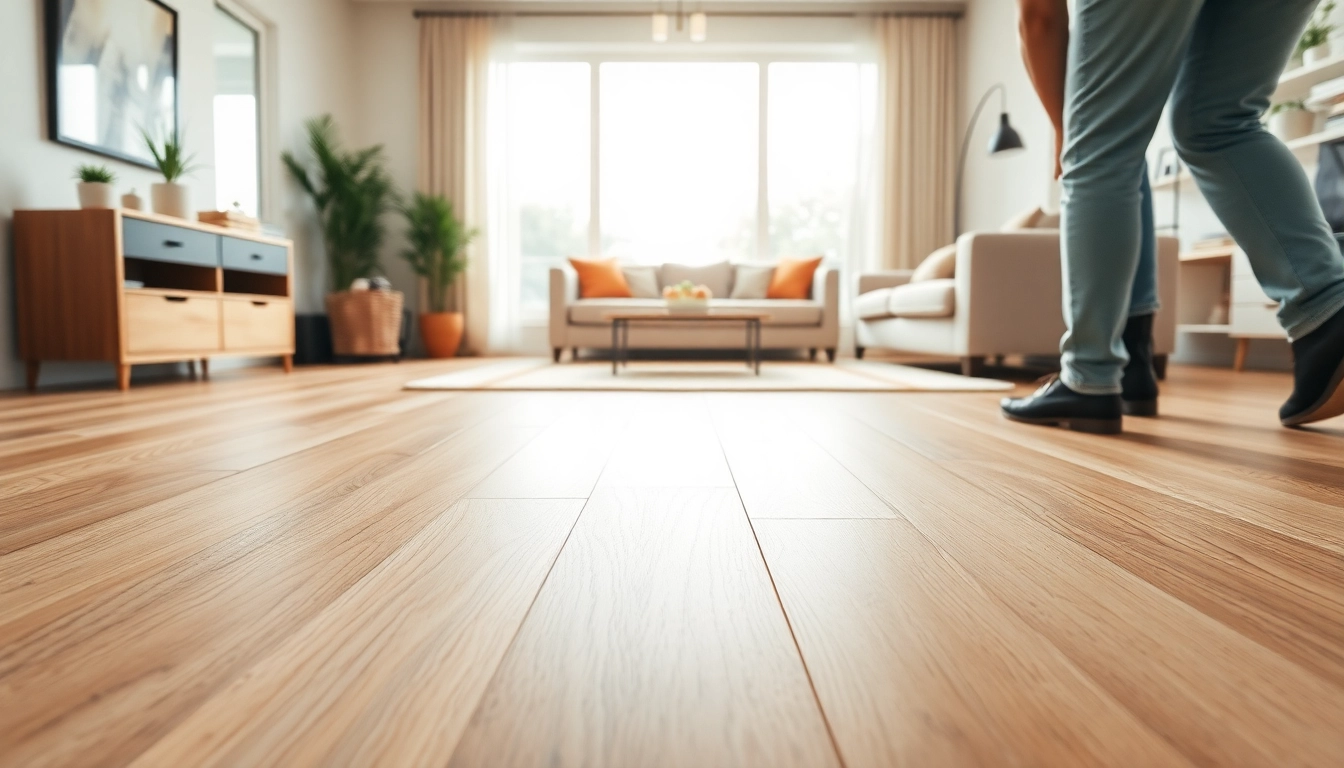
Elevate Your Space with Flexible Vinyl Plank Flooring
Introduction to Flexible Vinyl Plank Flooring
In the continuously evolving world of interior design, flooring choices play a crucial role in defining the aesthetic and functionality of a space. Flexible vinyl plank flooring has emerged as a popular option for homeowners and designers alike, combining the beauty of natural materials with the resilience and ease of maintenance that modern living demands. This article will explore the ins and outs of flexible vinyl plank flooring, from its definition to its installation practices, design inspirations, and maintenance tips.
Defining Flexible Vinyl Plank Flooring
Flexible vinyl plank flooring is a synthetic flooring option made from polyvinyl chloride (PVC) and various other materials to create a durable, versatile product that mimics the appearance of traditional hardwood or stone flooring. This flooring type is characterized by its comforting flexibility, allowing it to adapt to subfloor imperfections while providing a cushioned feel underfoot. It is available in various thicknesses and designs, making it a highly customizable flooring solution for any home.
Why Choose Flexible Vinyl Plank Flooring?
Choosing flexible vinyl plank flooring should consider a few key factors: durability, cost, and style versatility. Unlike hardwood or tile, flexible vinyl is resistant to water, stains, and scratches, making it an excellent choice for high-traffic areas like kitchens and entryways. Its affordability compared to traditional flooring options allows homeowners to achieve a premium look without breaking the bank. Furthermore, the vast array of design options available with flexible vinyl enables homeowners to match their floor to existing decor effortlessly.
Key Features and Benefits
The benefits of flexible vinyl plank flooring extend beyond mere aesthetics; it also offers numerous functional features:
- Water Resistance: Many flexible vinyl plank flooring options are completely waterproof, making them suitable for moisture-prone areas.
- Scratch and Stain Resistance: The flooring’s durable surface helps to prevent damage from pets and heavy use.
- Comfort and Warmth: The cushioning effect of vinyl provides a comfortable walking experience, reducing fatigue and enhancing warmth underfoot.
- Easy Installation: Many products feature a click-lock design for straightforward DIY installations.
- Low Maintenance: Regular sweeping and occasional mopping are generally all that’s required to keep this flooring looking new.
Installation Practices for Flexible Vinyl Plank Flooring
Preparation Steps for Installation
Successful installation of flexible vinyl plank flooring begins long before the first plank is laid. Preparation is key to achieving lasting results. Start by ensuring the subfloor is clean, dry, and level. Any imperfections can lead to problems down the road, such as warping or uneven surfaces.
Remove any existing flooring, including carpet, laminate, or tile. Once the area is clear, inspect for moisture issues or damage that may need addressing. If necessary, use an appropriate underlayment to enhance comfort, noise reduction, and moisture protection.
Tools Needed for a Successful Installation
Equipping yourself with the right tools can ease the installation process significantly. Here’s a checklist of essential tools:
- Utility knife or vinyl cutter for trimming planks
- Measuring tape for accurate sizing
- Straight edge for cutting straight lines
- Pull bar or tapping block for snug installation
- Rubber mallet to gently tap planks into place
- Level to ensure a flat installation site
Common Installation Techniques
There are several methods for installing flexible vinyl plank flooring, with the most common being the floating floor system. This technique involves laying planks without adhesives, allowing for expansion and contraction. Here’s a basic overview of the installation steps:
- Measure and plan the layout to minimize waste and achieve a balanced look.
- Begin laying the first row along a straight wall, using spacers to allow for expansion.
- Use the tapping block and rubber mallet to fit planks together snugly.
- Continue laying planks row by row, staggering seams for a natural appearance.
- Finish by removing spacers and installing transition strips at doorways.
Design Inspiration with Flexible Vinyl Plank Flooring
Choosing the Right Colors and Patterns
The color and pattern of flexible vinyl plank flooring can dramatically impact a room’s overall look. Neutral tones such as grays and browns create a versatile backdrop for any decor style, while bold colors can serve as a focal point. Patterns like herringbone or wide planks add depth and interest. Consider the room’s purpose and your personal style when selecting your flooring.
Popular Trends in Flooring Design
Staying current with design trends can help enhance the aesthetic appeal of your space. Some current trends include:
- Natural Looks: Flooring that mimics the appearance of weathered wood or stone is highly sought after.
- Textured Finishes: Flooring with tactile textures adds dimension and interest.
- Bold Patterns: Geometric designs and colorful vinyl offer a playful contrast in modern settings.
Mixing and Matching with Other Materials
Flexible vinyl plank flooring lends itself well to mixing and matching with other materials for an eclectic design. Consider combining vinyl planks with tiles in bathrooms or kitchens for added style. Additionally, accentuating it with area rugs can make a statement while providing functionality and warmth.
Maintenance Tips for Long-lasting Flexible Vinyl Plank Flooring
Daily Care and Cleaning Practices
Maintaining your flexible vinyl plank flooring is simple and straightforward. Regular sweeping or vacuuming without a beater bar will help remove dust and debris. For a more thorough clean, use a damp mop with a pH-neutral cleaner specifically formulated for vinyl to avoid damage. Avoid harsh detergents, which may dull the finish over time.
Dealing with Scratches and Damage
While flexible vinyl plank flooring is durable, it can still suffer scratches or dents. For minor scratches, a gentle buffing with a soft cloth may suffice. Deeper scratches can be addressed with filler or by replacing the damaged plank if necessary. It’s advisable to keep extra planks on hand to address these issues as they arise.
When to Seek Professional Help
Most installations can be done by the homeowner, but certain circumstances may warrant professional assistance. If the flooring has extensive damage, moisture problems surface, or if you’re feeling overwhelmed by the installation process, it may be time to consult a professional. This can save time and ensure the quality of the installation.
Frequently Asked Questions about Flexible Vinyl Plank Flooring
What is flexible vinyl plank flooring made from?
Flexible vinyl plank flooring is primarily made from polyvinyl chloride (PVC) along with other additives that enhance its durability, flexibility, and appearance.
Can flexible vinyl plank flooring be installed over existing floors?
Yes, flexible vinyl plank flooring can often be installed over existing hard surfaces like tile or hardwood, provided they are in good condition and flat.
How does flexible vinyl plank flooring compare to hardwood?
Unlike hardwood, flexible vinyl plank flooring is waterproof, scratch-resistant, and generally more affordable, offering similar aesthetics without the maintenance demands of wood.
Is flexible vinyl plank flooring waterproof?
Many flexible vinyl plank flooring options are designed to be fully waterproof, making them ideal for areas prone to moisture, such as kitchens and bathrooms.
What maintenance is required for flexible vinyl plank flooring?
Maintaining flexible vinyl plank flooring requires regular sweeping, occasional damp mopping with a gentle cleaner, and prompt attention to scratches or damage as needed.