
Enhancing Your Space with Island Lighting: A Style Guide
Understanding Island Lighting
What is Island Lighting?
Island lighting refers to decorative light fixtures specifically designed to illuminate kitchen islands, bars, or any space where people gather for meals and socializing. These fixtures not only provide necessary task lighting but also serve as focal points that can enhance the overall aesthetic of the area. When designed thoughtfully, island lighting can harmonize with other interior elements while still standing out as a feature in its own right. It strikes a perfect balance between functionality and design, contributing to both the utility and visual appeal of the room.
The Benefits of Island Lighting
Beyond simply brightening up your kitchen or dining area, island lighting comes with myriad benefits:
- Enhanced Ambiance: Well-placed lighting can create a welcoming atmosphere that encourages interaction and comfort.
- Increased Functionality: Proper lighting enhances visibility for food preparation, dining, or entertaining.
- Design Element: With a range of styles available, island lighting can be an integral part of your home’s decor.
- Value Addition: Elegant lighting fixtures can increase the overall value of your property.
Choosing the Right Style for Your Home
Selecting the right island lighting style involves considering factors such as your home’s overall aesthetic, the size of your kitchen island, and personal preferences. Options vary from industrial pendant lights to rustic chandeliers, and finding a design that resonates with your taste is essential. Mixing and matching styles or opting for complementary colors can also create a cohesive and attractive look. For excellent ideas and inspiration, exploring platforms focused on island lighting can be quite beneficial.
Types of Island Lighting
Pendant Lights: A Classic Choice
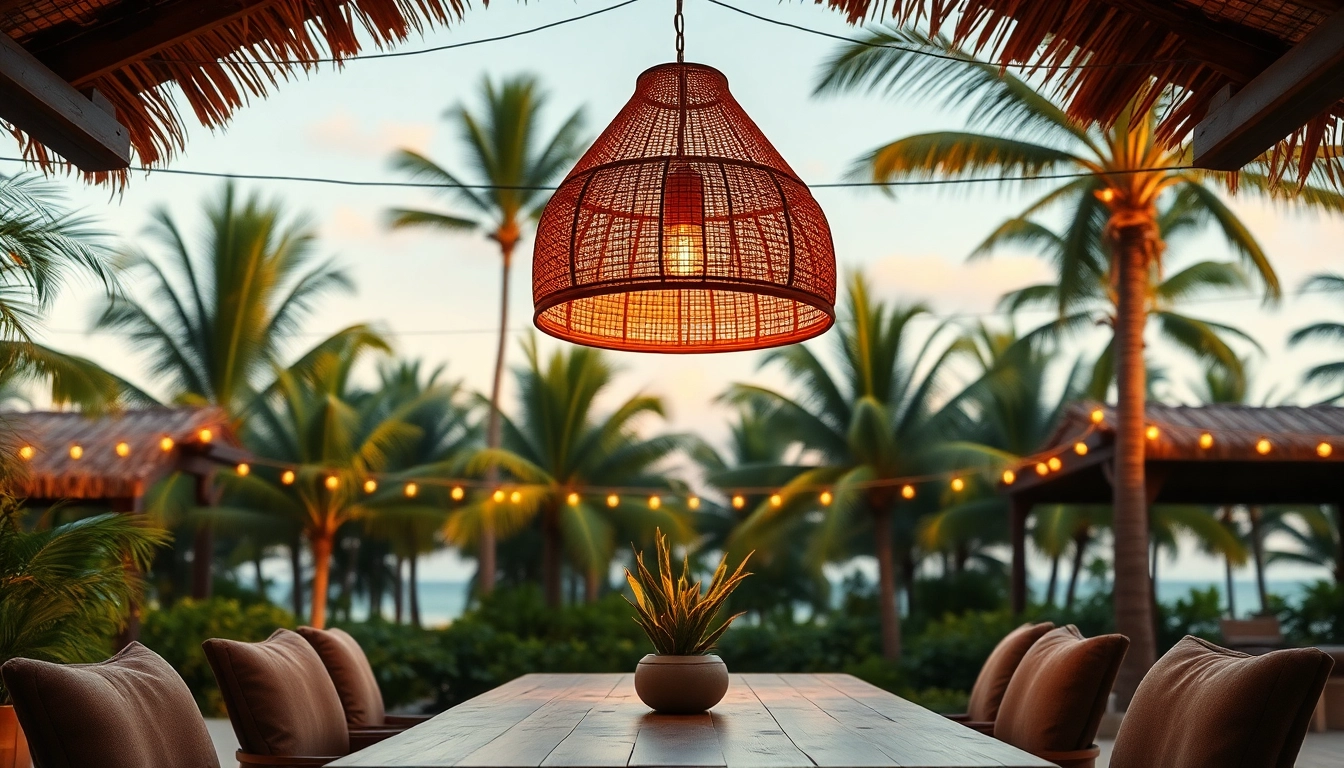
Pendant lights are among the most popular choices for island lighting due to their versatility. These fixtures are typically hung from the ceiling and come in various styles, shapes, and sizes. Depending on height and placement, they can provide focused lighting on specific areas while maintaining an open feel. Consider using multiple pendant lights to create a striking visual impact; varying heights can add depth and dynamic interest to your space.
Chandeliers for Elegance
Chandeliers offer an excellent option for those looking to add a touch of elegance to their island areas. Ranging from ornate designs with crystals to minimalist modern styles, chandeliers can transform a simple kitchen island into a grand centerpiece. It’s vital to choose a chandelier that is proportional to the island’s size; overly large fixtures can overwhelm a small space, while tiny chandeliers can get lost in larger areas.
Wall Sconces: The Supporting Role
Though not used exclusively for islands, wall sconces can complement primary island lighting effectively. Placed on nearby walls, these fixtures can provide additional ambient light and contribute to the overall design theme. They serve the dual purpose of highlighting artwork or other features while enhancing the overall brightness of the area. When used in conjunction with pendant lights or chandeliers, wall sconces can create a layered lighting effect that adds depth to your decor.
How to Install Island Lighting
Tools and Essentials You Need
Installing island lighting involves several essential tools and materials. Basic tools include a drill, screwdriver, and wire strippers, while necessary materials comprise electrical wire, connectors, and the light fixture itself. Ensuring that you have all your equipment on hand can facilitate a smooth installation process.
Steps to a Successful Installation
Follow these essential steps to ensure a successful installation:
- Turn off Power: Before you start, ensure the power supply to the existing fixture is turned off at the circuit breaker.
- Remove Old Fixture: Carefully detach the existing light fixture, noting how it is wired.
- Install the New Fixture: Follow the manufacturer’s instructions to mount the new fixture securely.
- Connect Wiring: Connect the wires from the fixture to the corresponding wires in the ceiling (typically black, white, and copper).
- Test the Light: Turn the power back on and test the light to ensure everything is working.
Common Mistakes to Avoid
Several common pitfalls can occur during installation, including:
- Not measuring the appropriate height when installing fixtures, which can lead to inadequate lighting or obstructed views.
- Using mismatched fixtures that can disrupt the overall design aesthetic.
- Neglecting to follow the manufacturer’s installation instructions, leading to improper wiring.
- Forgetting to secure fixtures properly, risking them falling and causing injury or damage.
Decorating with Island Lighting
Creating Balance with Other Fixtures
When decorating with island lighting, it’s important to maintain a balanced look with other fixtures in the space. If your kitchen features under-cabinet lighting, recessed lighting, or wall sconces, ensuring these lights complement one another ensures a unified appearance. Mixing metals and styles should be done thoughtfully to avoid a disjointed look.
Color Coordination with Your Interiors
Choosing colors for your island lighting is crucial to tying together the overall decor scheme. Neutral tones can harmonize with various color palettes, while more vibrant hues can serve as focal points. Don’t shy away from experimenting with different finishes, such as matte black, brass, or chrome, to see how they resonate with your existing decor.
Utilizing Dimmer Switches for Effect
Installing dimmer switches for your island lighting can greatly enhance the versatility of your space. Dimmers allow you to adjust light intensity depending on the occasion—brighter for meal preparation or softer for evening gatherings. This adaptability not only contributes to comfort but also allows you to create different atmospheres for various activities.
Maintenance and Trends in Island Lighting
Cleaning Tips for Longevity
Maintaining your island lighting fixtures ensures they remain functional and visually appealing. Regular cleaning helps prevent dust accumulation and keeps them looking their best. Use a soft microfiber cloth or a gentle cleaner appropriate for the fixture’s material. Avoid abrasive products that can scratch or damage finishes. For hard-to-reach areas, consider using a feather duster or extended cleaning tools.
Trendy Designs to Consider
Staying attuned to lighting trends can inspire exciting design choices for your space. Current trends include:
- Industrial Styles: Utilizing metals and Edison bulbs for a trendy, vintage look.
- Natural Elements: Incorporating wood, stone, or rattan pieces for warmth.
- Minimalism: Choosing sleek, simple designs that focus on form and function.
- Smart Lighting: Integrating technology for enhanced control over brightness and color.
How to Keep Up with Lighting Trends
To keep your lighting designs fresh and relevant, consider following lighting design blogs, attending home and garden shows, and browsing online platforms dedicated to home decor. Engaging with community forums and sharing your thoughts can also help align you with current trends and practical advice from fellow enthusiasts.
FAQs
1. How high should I hang my island lights?
As a general rule, pendant lights should hang between 30 and 36 inches above the island surface for optimal illumination and aesthetics.
2. Can I mix different lighting styles in my kitchen?
Yes, mixing styles can create visual interest. Just ensure the designs complement each other in materials or color schemes.
3. Are LED lights suitable for island lighting?
Absolutely! LED lights are energy-efficient and available in various designs, making them a great choice for island lighting.
4. How often should I clean my island lighting?
It’s advisable to clean your lighting fixtures every few months, or more often if they are in high-traffic areas to maintain their brightness and appearance.
5. What is the best type of bulb for island lighting?
The best bulb type depends on the fixture. LED bulbs are popular for durability and efficiency, providing various color temperatures.