Why LVP Flooring is the Best Choice for Your Home Renovation
Understanding LVP Flooring
What is LVP Flooring?
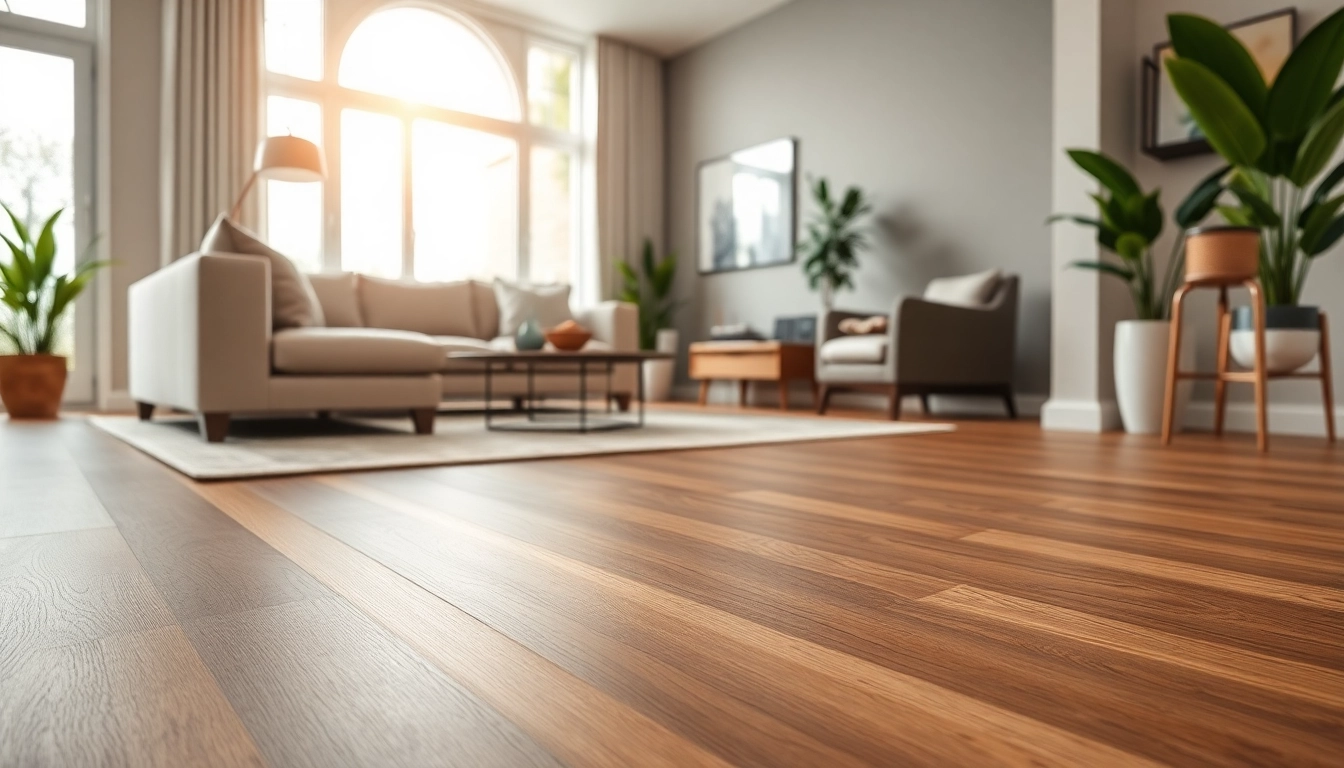
LVP flooring, or luxury vinyl plank flooring, is an innovative flooring solution that offers the aesthetic appeal of natural materials, such as wood and stone, combined with the durability and functionality of vinyl. Unlike laminate flooring, LVP is made from a solid vinyl core, making it significantly more resilient to moisture and wear. This makes it an ideal choice for high-traffic areas and moisture-prone environments like kitchens and bathrooms. Moreover, the realistic textures and appearances available in LVP have made it a popular choice among homeowners and designers alike.
Benefits of Using LVP Flooring
Choosing lvp flooring offers a multitude of advantages that enhance both the aesthetic and functional aspects of your home:
- Water Resistance: Engineered for moisture resistance, LVP is perfect for spaces prone to spills or humidity.
- Durability: Its robust construction stands up to heavy foot traffic and impacts, making it suitable for families and pets.
- Easy Maintenance: Cleaning LVP is hassle-free—regular sweeping and occasional mopping keep it looking pristine.
- Aesthetic Variety: Available in a wide variety of colors, textures, and patterns, it can easily match any home décor style.
- Comfort Underfoot: It provides a softer feel compared to traditional hardwood or tile options, making it comfortable for walking and standing.
Common Myths about LVP Flooring
Despite its growing popularity, there are several myths associated with LVP flooring that can deter potential buyers:
- Myth 1: LVP looks cheap. In reality, high-quality LVP can mimic the appearance of real wood or stone quite convincingly.
- Myth 2: It’s not durable. Contrary to this belief, LVP is actually designed for high wear and is resistant to scratches and dents.
- Myth 3: Installation is complicated. LVP can be installed as a DIY project or by professionals in a straightforward manner.
- Myth 4: Environmental concerns regarding vinyl. Many manufacturers now produce LVP with sustainable practices, ensuring lower environmental impact.
Choosing the Right LVP Flooring
Factors to Consider Before Purchase
When selecting LVP flooring for your home, several critical factors should be taken into account:
- Room Type: Consider where you’ll be installing the flooring. High-moisture areas like bathrooms may require more water-resistant options.
- Thickness: Thicker planks tend to be more durable and provide better sound absorption.
- Wear Layer: A thicker wear layer offers better protection against scratches, stains, and wear, enhancing longevity.
- Style and Design: Match the style of LVP flooring with the rest of your home’s décor for a cohesive look.
Types of LVP Flooring Options
LVP comes in various styles and constructions, giving you plenty of options to consider:
- Rigid Core LVP: Offers added stability and comfort and is great for uneven surfaces.
- Flexible LVP: Typically thinner and easier to install, making it ideal for DIY projects.
- Wood-Look LVP: Mimics the appearance of hardwood with a variety of textures and finishes.
- Stone-Look LVP: Captures the essence of natural stone, providing a rustic feel to spaces.
Matching LVP Flooring with Home Décor
Matching your LVP flooring to your existing or planned home décor can be a creative endeavor. Here are some tips:
- Color Harmony: Choose colors that complement your walls and furniture. Lighter tones can open up a room, while darker shades provide warmth.
- Texture Balance: If your space has many textures (like upholstered furniture and textured walls), select a simpler LVP design.
- Style Consistency: Select a flooring style that matches your home’s architectural design, whether modern, traditional, or eclectic.
Installation Process of LVP Flooring
Preparation and Planning for Installation
Installing LVP flooring can be a rewarding experience, but proper planning is vital. Start by preparing the subfloor, ensuring it is clean, dry, and level. Remove any existing flooring to avoid complications, and repair any damage to the subfloor. Familiarize yourself with the layout that best suits your space, considering factors such as the direction of light and existing furniture placement.
Step-by-Step Installation Guide
Below is a simplified step-by-step installation guide for LVP flooring:
- Acclimate the planks to the room temperature for at least 48 hours.
- Start in a corner of the room and lay the first plank, ensuring it’s aligned.
- Use spacers to maintain an expansion gap between the plank edges and walls.
- Continue laying the planks by clicking them together, ensuring snug fitting without gaps.
- Cut the last plank to fit as needed, using a utility knife for clean edges.
- Remove spacers and install baseboards to cover the expansion gaps for a polished look.
Common Installation Mistakes to Avoid
Even experienced DIYers can make mistakes during the installation process. Here are some to avoid:
- Neglecting Subfloor Preparation: Properly prepare your subfloor to avoid uneven surfaces.
- Ignoring Expansion Gaps: Always leave space for flooring expansion to prevent buckling.
- Rushing the Acclimation: Allow LVP to acclimate fully; skipping this step can lead to warping.
Maintaining Your LVP Flooring
Daily Care Tips for Longevity
Proper maintenance of your LVP flooring can increase its lifespan. Here are essential care tips:
- Regularly sweep or vacuum to remove dirt and debris.
- Use a damp mop and a manufacturer-recommended cleaner to keep it clean.
- Avoid using abrasive cleaners or tools that can scratch the surface.
Dealing with Scratches and Damage
While LVP is durable, scratches and damage can occur. Here’s how to handle them:
- For minor scratches, use a magic eraser or a specialized repair kit to blend imperfections.
- For deeper scratches, you might need to replace individual planks if repair isn’t sufficient.
- Implement area rugs in high traffic zones to protect the flooring from excessive wear.
Seasonal Maintenance Recommendations
Different seasons may require varied maintenance strategies. Here are recommendations:
- In winter, use a humidifier to prevent dryness and potential warping.
- During summer, avoid exposing your LVP to direct sunlight for prolonged periods to prevent fading.
- Spring is an ideal time for a thorough deep clean, removing any built-up dirt and grime.
FAQs about LVP Flooring
Is LVP Flooring Water-Resistant?
Yes, LVP flooring is highly water-resistant and suitable for moist environments like bathrooms and kitchens.
How Do I Clean My LVP Flooring?
Regularly sweep and mop with a manufacturer-recommended cleaner. Avoid harsh chemicals and abrasive tools.
Can I Install LVP Flooring Over Existing Floors?
Yes, you can install LVP over existing flooring if it’s clean, dry, and level, but check with the manufacturer for guidelines.
How Long Does LVP Flooring Last?
LVP flooring can last 10-30 years depending on the quality, thickness, and maintenance practices.
What’s the Cost Difference with Other Flooring Types?
LVP tends to be more budget-friendly compared to hardwood flooring, especially considering its durability and minimal maintenance costs.